

When two candidates are equal in credentials and technical experience, what makes an employer choose one over the other? The answer, most of the time, is soft skills. Companies have discovered that technical skills can be taught relatively easily, but someone who lacks good communication or the ability to work within a team is hard to develop. That's why in 2026 soft skills have become a decisive hiring criterion, sometimes outweighing the credentials themselves.
In this guide, we'll dive deep into the most in-demand soft skills, explain why employers look for them, how to develop them practically, and most importantly how to highlight them in your resume and interviews to stand out. And if you want a broader look at technical and personal skills together, check our guide on the most in-demand skills in the 2026 job market.

✍️ "Technical skills open the door for you, but soft skills are what keep you in the room and let you lead the conversation."
What's the Difference Between Soft Skills and Hard Skills?
Hard skills are specific, measurable abilities tied to a particular field, such as programming, accounting, or graphic design, and are usually acquired through education and training. Soft skills, on the other hand, are personal and behavioral traits that determine how you deal with others and with situations, such as communication, empathy, and leadership. The key difference is that hard skills tell an employer what you can do, while soft skills tell them how you'll do it and how you'll deal with your team and clients. Real success at work comes from blending the two.
Why Do Employers Look for Soft Skills?
The reason is simple: a workplace isn't a machine but a group of people interacting. An employee with excellent technical skill but who can't communicate or collaborate may become a burden on the team rather than an asset. Employers realize that soft skills directly reflect on the quality of teamwork, customer satisfaction, conflict resolution, and the ability to adapt to change. And as automation increases, these human skills are what distinguish people from machines, which makes them a safe investment in your professional future.
The Most In-Demand Soft Skills in 2026
1. Effective Communication
Communication is the foundation of every other soft skill. It's not limited to speaking, but includes good listening, clarity of expression, reading body language, and adapting to the listener's style. An employee who conveys ideas clearly and listens attentively builds quick trust with colleagues and clients. How to develop it: Practice listening without interrupting, summarize what you hear to confirm your understanding, and review your written messages to be clear and concise.
2. Teamwork and Collaboration
Big work is rarely accomplished alone. The ability to collaborate with a diverse team, accept different ideas, and contribute to a shared goal is among the most valued by employers. How to develop it: Participate actively in group projects, offer help before it's requested, and respect others' roles and contributions.
3. Adaptability and Flexibility
The 2026 job market changes quickly, and those who don't adapt fall behind. Flexibility in handling new tasks, changing conditions, and modern technologies is a trait every employer seeks. How to develop it: Step out of your comfort zone deliberately, treat change as an opportunity rather than a threat, and keep learning new skills.
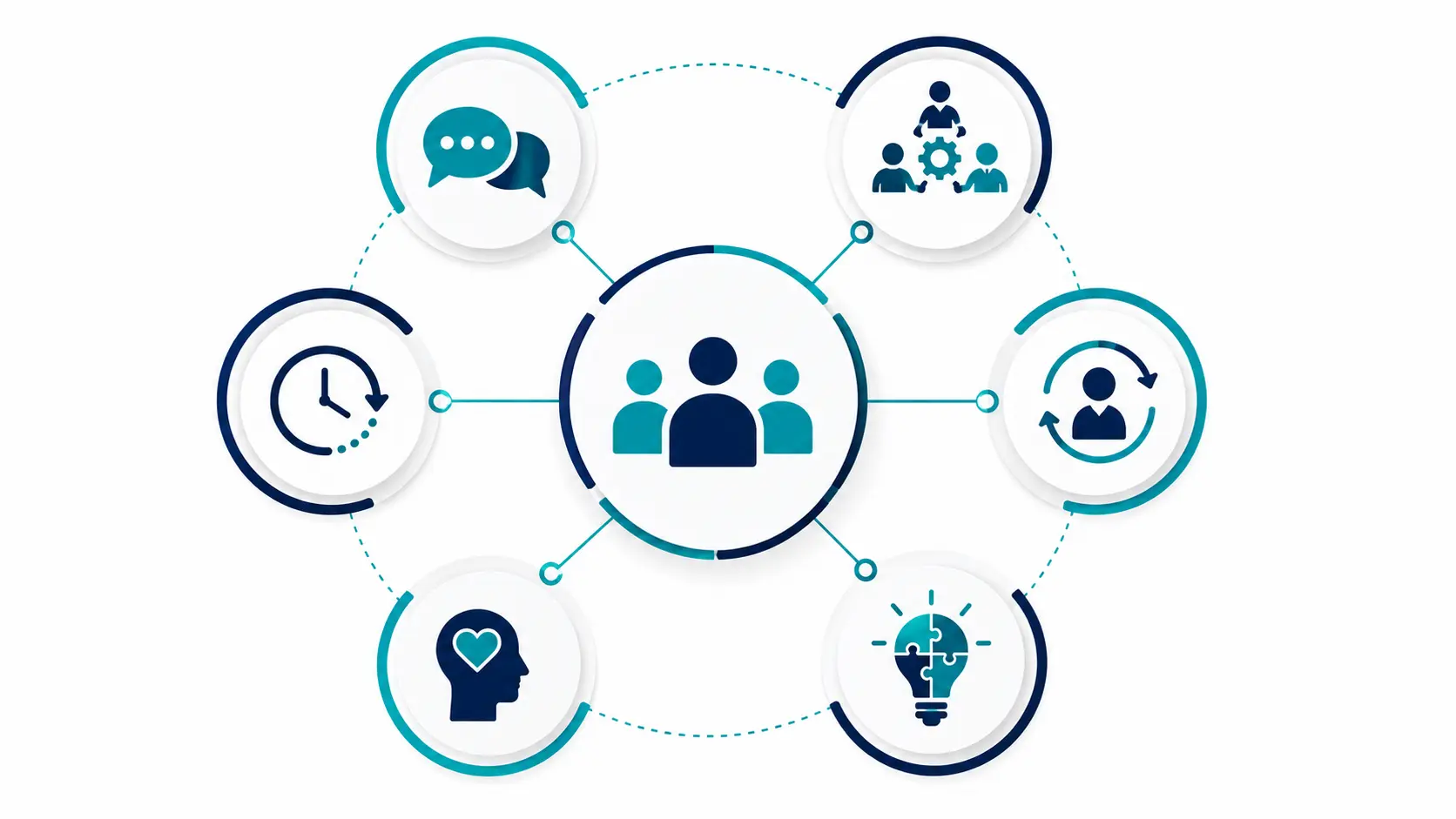
4. Problem Solving and Critical Thinking
Employers value those who bring solutions, not those who merely present problems. The ability to analyze a complex situation, evaluate options, and make a logical decision under pressure is among the most valuable skills in any job. How to develop it: When facing a problem, think of several solutions before choosing one, and analyze the causes of the problem, not just its symptoms.
5. Emotional Intelligence
Emotional intelligence is the ability to understand and manage your emotions, and to read others' emotions and handle them wisely. This skill is essential in leadership, conflict resolution, and building solid work relationships. How to develop it: Observe your reactions before acting, try to understand the other person's perspective before judging, and accept criticism without defensiveness.
6. Time Management and Prioritization
The ability to organize your tasks and complete them on time without burnout reflects your discipline and reliability. An employee who respects deadlines and balances their priorities quickly becomes trusted. How to develop it: Arrange your tasks by importance, break big tasks into parts, and avoid postponing what can be done now.
7. Leadership and Influence
Leadership isn't a position, but a behavior. Even if you're not a manager, your ability to positively influence your team, motivate others, and take initiative makes you a dependable employee. Employers notice those who lead quietly and raise the level of those around them. How to develop it: Take initiative in offering solutions, help your colleagues grow, and take responsibility for your mistakes and successes equally.
8. Empathy and People Skills
Empathy is the ability to understand others' feelings and perspectives, and it's the foundation of excellent customer service and healthy teamwork. An empathetic employee builds bridges of trust quickly and handles sensitive situations wisely. How to develop it: Listen to understand, not to reply, put yourself in the other person's place before judging, and treat everyone with respect regardless of their position.
Table: The Soft Skill and Its Impact at Work
Soft Skill | Its Direct Impact at Work |
|---|---|
Effective communication | Reduces misunderstanding and speeds up delivery |
Teamwork | Raises the quality of group output |
Adaptability | Eases keeping pace with change |
Problem solving | Turns obstacles into opportunities |
Emotional intelligence | Builds solid work relationships |
Time management | Raises productivity and reduces stress |
How to Develop Your Soft Skills Practically
Unlike hard skills, soft skills aren't acquired from a course you merely watch, but from conscious daily practice. Start by choosing one skill you feel weak in, and focus on it for weeks. Ask for honest feedback from your colleagues or manager about how you handle things. Deliberately put yourself in situations that challenge this skill, such as volunteering to lead a meeting if you want to develop your communication confidence. And read in the field of self-development, but don't settle for reading — apply what you learn immediately. Growth here is gradual but lasting.
How to Highlight Your Soft Skills in Your Resume and Interview
A common mistake is writing soft skills as an empty list like "I have excellent communication skills," which convinces no one because everyone writes it. It's better to prove them with examples and results. Instead of claiming you're a team player, mention a group project you contributed to and explain your role. In the interview, use the STAR method (Situation – Task – Action – Result) to tell a short story that shows the skill in action rather than in claim. To learn how to frame these examples in your file professionally, check our guide on how to write a professional CV, and avoid the mistakes that weaken your presentation through the guide on common resume mistakes.
Common Mistakes in Handling Soft Skills
Many people fall into mistakes that unconsciously weaken their soft skills. The most notable is believing they're innate and can't be acquired, so they stop developing them. Another is focusing entirely on technical skills and neglecting the human side, creating a technically skilled employee who is difficult to work with. Another is claiming to possess skills they don't actually apply, so the contradiction shows quickly in the workplace. And the biggest mistake is not asking for feedback, since it's hard to develop what you don't know needs developing. Being aware of these mistakes is the first step to avoiding them.
Soft Skills in the Remote Work Environment
With the spread of remote work in 2026, some soft skills have gained doubled importance. Clear written communication has become essential because a large part of interaction happens through messages, and any ambiguity can cause misunderstanding. Self-discipline and time management without direct supervision have become a real test for the employee. The ability to build human relationships despite geographic distance, and to initiate communication rather than wait for it, also distinguish those who succeed remotely from those who feel isolated. If you're targeting remote jobs, develop these skills specifically, as they're what companies look for in candidates working from anywhere.
Final Thoughts
Soft skills are no longer a "nice addition" to your resume, but a decisive factor determining who gets the job, who keeps it, and who grows in it. Communication, teamwork, adaptability, problem solving, emotional intelligence, and time management are all skills you can develop through conscious practice. Start with one skill today, ask for feedback, apply what you learn, and highlight your skills with real examples rather than claims. This blend of technical competence and human skill is what creates the well-rounded professional companies compete over.
Start exploring the latest job opportunities on NabdJobs, and apply with soft skills that make you the first choice for employers.